
Join our Support Group
Your questions and concerns have most likely been asked and answered in our support group.


Hip Labral Tears: Signs, Diagnosis, and Treatment Options
A hip labral tear happens when the cartilage ring that cushions the hip socket starts to fray or pull away from the bone. This is often the result of movement that pushes the joint beyond its limits. It can happen suddenly, like following a quick pivot on the ice or following years of wear and tear from running on hard surfaces. That being said, some people develop a tear after a single awkward fall; for others, this type of injury develops slowly over time. While athletes and more active adults tend to be more likely to suffer a torn hip labrum, this type of injury can happen to anyone.
Fortunately, there are highly effective treatment paths for anyone suffering from hip labral tear symptoms, with arthroscopic surgery leading the way as one of the most proven methods.
A recent randomized controlled trial published in The American Journal of Sports Medicine found that in patients aged 40 and older with limited osteoarthritis, arthroscopic acetabular labral repair, a minimally invasive surgery,combined with postoperative physical therapy produced better outcomes at two years compared with physical therapy alone. (Martin et al., 2024).
In this post, we will explore many of the most common questions people have about hip labral tears.
Recognizing the Signs of a Torn Hip Labrum
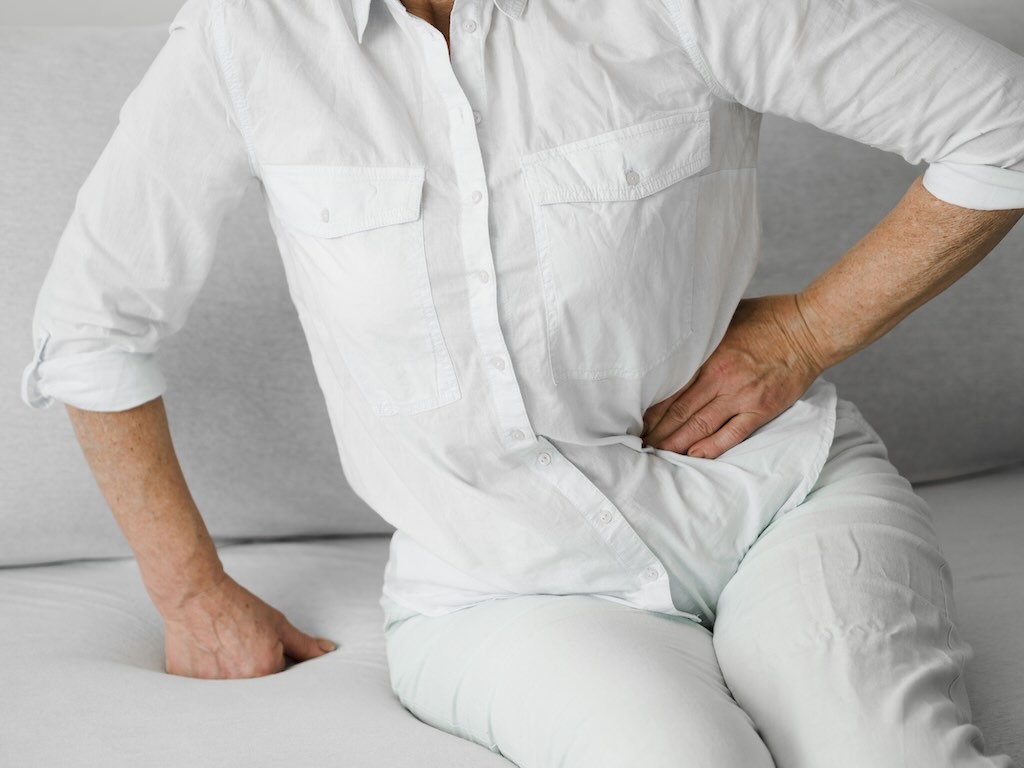
A torn hip labrum is unmistakably painful. This persistent discomfort is sometimes described as a catching or clicking sensation in the injured hip. Some people feel it as simply a dull ache that worsens with activity.
Repetitive movements or traumatic injuries, such as a fall or sports-related injury can lead to a labral tear. In older adults, degeneration and subtle changes in the hip bones and cartilage are more likely causes.
How Hip Labral Tears Are Diagnosed
The process of diagnosing this type of injury starts with range of motion tests, muscle assessments, and going through specific movements to localize the pain during a physical examination.
To confirm a hip labrum tear diagnosis, magnetic resonance imaging (MRI) can be used to visualize the soft tissues of the hip joint and determine whether other or not other issues are contributing to the pain.
Can a Hip Labral Tear Heal on Its Own?
The hip labrum has limited blood supply, which makes natural healing difficult. Small or stable tears may improve with conservative treatments, including rest, physical therapy, and image-guided injections to relieve pain and inflammation. A physical therapist can help strengthen the surrounding hip muscles, improve range of motion, and reduce strain on the injured area.
However, in many patients, particularly those with structural issues or hip impingement, the tear does not fully heal on its own. Persistent pain or mechanical symptoms are signals that hip surgery may be necessary.
Surgical Treatment Options for Hip Labral Tears
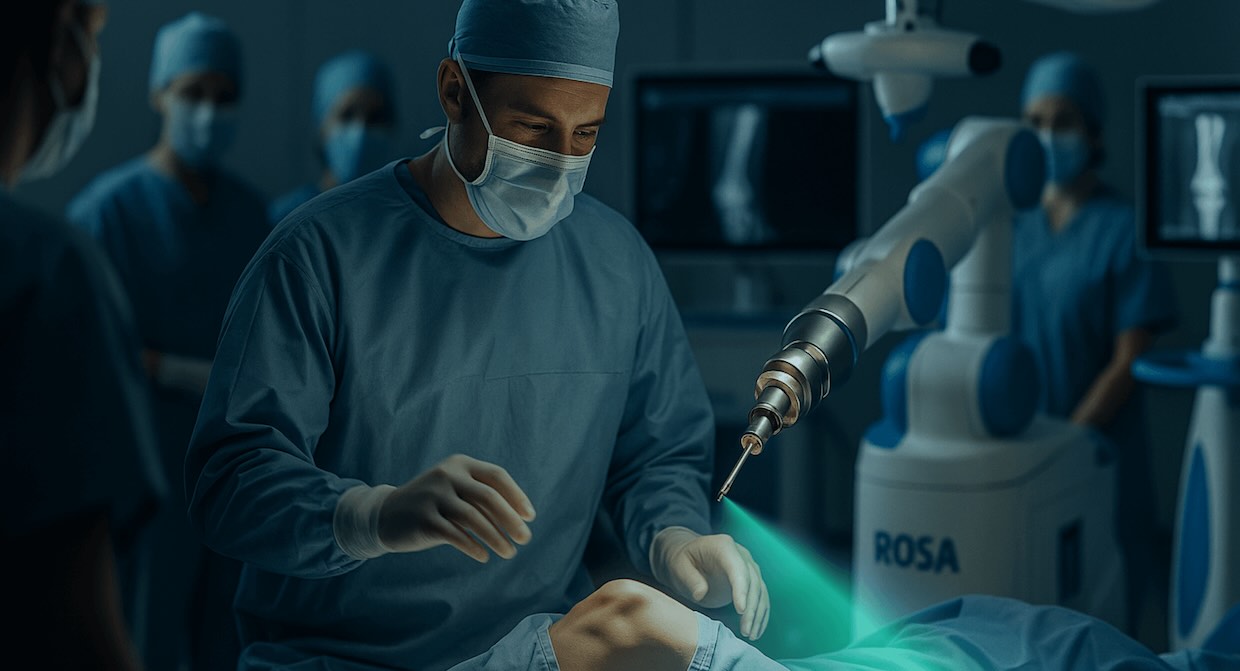
Hip arthroscopy is an effective way to address a torn labrum because this minimally invasive surgical procedure repairs the hip labrum while preserving as much healthy tissue as possible.
During hip labral tear surgery, the surgeon may perform a labral repair (re-stitching the torn tissue) or, in more severe cases, a labral reconstruction, which replaces the damaged tissue with a graft. Labral preservation is preferred whenever possible.
Outcomes for hip labral tears diagnosed and treated arthroscopically are excellent, even for patients over 40, as confirmed by a 2023 meta-analysis that compared postoperative outcomes and complications of labral repair with those of labral reconstruction. (Tarchichi et al., 2024).
When to Seek Help
Persistent hip pain has a way of wearing people down. It starts as a twinge during certain movements, then lingers longer than expected. Maybe there’s a click, a dull ache after sitting, or the sense that the joint isn’t moving the way it used to. Those are signals worth paying attention to.
At Ortho Westmount, we encourage patients to come in before discomfort becomes limitation. An assessment can reveal whether the issue is a labral tear, impingement, or something else entirely. Our surgeons study each case carefully, using advanced imaging and years of experience to decide what is truly needed to help you get back to the activities you love.
If you’re experiencing persistent hip pain, it’s time to consult a specialist. Early evaluation can prevent small tears from progressing and help you return to the activities you enjoy with confidence. To schedule a consultation or learn more about our treatment options, contact us today.
References
- Cleveland Clinic. (n.d.). Hip labral tear. Retrieved from https://my.clevelandclinic.org/health/diseases/17756-hip-labral-tear
- Hopkins Medicine. (n.d.). Hip labral tear. Retrieved from https://www.hopkinsmedicine.org/health/conditions-and-diseases/hip-labral-tear
- Mayo Clinic. (n.d.). Hip labral tear: Diagnosis and treatment. Retrieved from https://www.mayoclinic.org/diseases-conditions/hip-labral-tear/diagnosis-treatment/drc-20354878
- Mass General Brigham. (n.d.). Labral tear of the hip. Retrieved from https://www.massgeneralbrigham.org/en/patient-care/services-and-specialties/sports-medicine/conditions/hip/labral-tear
- Martin, R. L., et al. (2024). Arthroscopic acetabular labral repair versus physical therapy for labral tears in patients ≥40 years old with limited osteoarthritis. Arthroscopy, 40(6), 11428710. https://pmc.ncbi.nlm.nih.gov/articles/PMC11428710/
- Gillinov, S. M., et al. (2025). Long-term outcomes following arthroscopic labral repair of the hip. Arthroscopy, 41(3), 12246522. https://pmc.ncbi.nlm.nih.gov/articles/PMC12246522/
- Gaschen, L., et al. (2025). Reported rates of labral repair and reconstruction in primary hip arthroscopy: A systematic review. Journal of Arthroscopy and Related Research. https://www.sciencedirect.com/science/article/pii/S2666061X25001853
- Tarchichi, M., et al. (2024). Hip labral repair versus reconstruction: A systematic review and meta-analysis. Hip & Pelvis, 36(3), 168. https://www.hipandpelvis.or.kr/journal/view.html?doi=10.5371%2Fhp.2024.36.3.168
