
Join our Support Group
Your questions and concerns have most likely been asked and answered in our support group.


Recovery Insights: Post-Trigger Finger Release Surgery
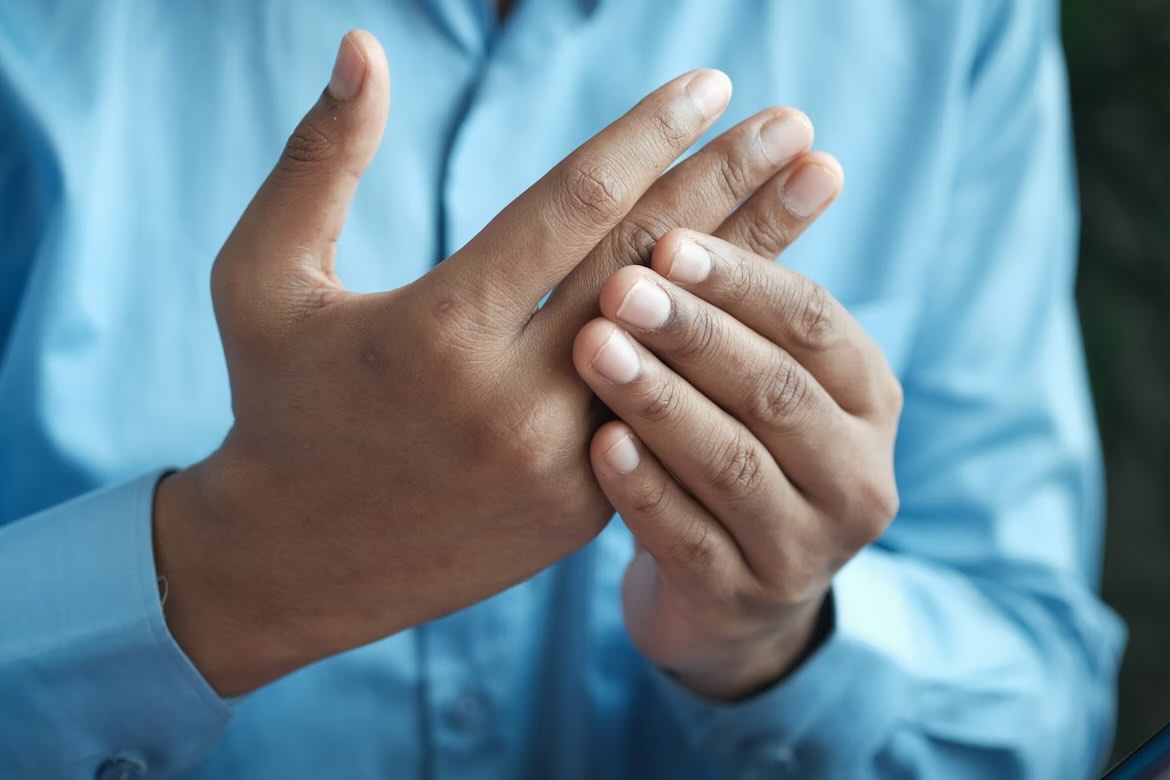
Trigger finger, medically known as stenosing tenosynovitis, is a condition that develops when the tendons or their protective sheaths in the fingers or thumb become swollen or thickened. The resulting stiffness around the tendon sheath causes movement to become difficult or painful, and in more advanced cases, causes the finger to “lock” in a bent position, requiring manual straightening (Cleveland Clinic, n.d.).
If other treatments like splinting or steroid injections (Mayo Clinic, n.d.) haven’t provided lasting relief, surgery is often recommended when conservative measures fail or symptoms recur.. The surgical release method remains one of the most reliable solutions for persistent trigger finger, with a high success rate and with a low risk of neurovascular complications when performed through an open release method (Journal of Musculoskeletal Disorders and Orthopaedic Surgery, 2023).
At Ortho Westmount, we welcome every patient that walks into our orthopedic clinic in Montreal with an individualized assessment to determine the best treatment method for them. We know that once the treatment is complete, understanding what to expect in the recovery process, post-trigger finger release surgery, helps patients regain comfort and confidence in their hand function.
What Does Recovery Look Like for Open Trigger Finger Release Surgery?
The initial healing phase after your trigger finger surgery focuses on reducing inflammation and protecting the incision, but some soreness and stiffness can be expected. You can elevate the hand and use the dressing recommended by your surgeon to minimize swelling and pain.
During this period, look for early signs of surgical site infection, such as increasing redness, discharge, or fever, or excessive swelling. You should follow the wound-care plan exactly as provided is the best way to limit discomfort and avoid complications during this early stage.
How Long Do Dressing And Stitches Need to Stay On?
Timelines can vary. Stitches are usually removed around 10–14 days, depending on your surgeon’s protocol. In the meantime, keeping the incision site clean and dry is essential to proper healing and to reduce the risk of wound infection.
Once stitches come out, a thin protective strip may be applied for a few more days to support the skin as it strengthens, and for most, the incision heals into a faint line at the base of the affected finger. Most people regain normal sensation as swelling decreases.
How to Manage Pain and Swelling
The pain levels after trigger finger release is typically manageable with non-prescription anti-inflammatory medications and careful hand elevation. Short sessions of cold therapy may help, as long as they don’t get the incision wet.
The aim is to reduce inflammation without placing pressure on the incision, which you can do by moving your fingers gently even during this stage, as immobilization can delay recovery. Only gentle active motion; avoid forceful bending.
Range-of-Motion Exercises
Once the incision begins to close, usually after the first week, patients can start light exercises to restore flexibility and help prevent scar tissue from restricting tendon glide. These physical therapy exercises are simple but strategic, involving controlled bending and straightening of the affected finger.
For many, this is the point when progress becomes visible and movement begins to feel smoother every day.
Working with a hand therapist may accelerate recovery, particularly for those who had multiple fingers involved, carpal tunnel syndrome, rheumatoid arthritis, or longstanding stiffness before surgery.
Activity Restrictions After Trigger Finger Release Surgery
Heavy gripping, repetitive strain, and submerging the hand should be avoided, however, brief splashing while protecting the incision is acceptable once cleared.
Even as movement returns, it’s important not to rush. Most light daily activities can be resumed within a week, but lifting or sustained manual work should wait until the incision is fully closed, and the affected finger feels strong and pain-free.
How long does it take to get back to normal daily activities? The full recovery of function, especially in terms of grip strength and range of motion, varies with each patient. Many patients regain comfortable function by 2–4 weeks, with full recovery by 6–8 weeks.
Choose Ortho Westmount as Your Partner Through Recovery
After trigger finger release surgery, post-operative recovery is measured in small steps that collectively restore mobility and ease, and at Ortho Westmount, we bring years of orthopedic experience to every stage, from diagnosis through follow-up rehabilitation.
Our surgeons combine precision with individualized care to help patients regain function safely and confidently. To learn more about surgical options or to schedule a consultation, contact us.
References
- Cleveland Clinic. (n.d.). Trigger finger (stenosing tenosynovitis). Retrieved October 6, 2025, from https://my.clevelandclinic.org/health/diseases/7080-trigger-finger
- Mayo Clinic. (n.d.). Trigger finger: Diagnosis and treatment. Retrieved October 6, 2025, from https://www.mayoclinic.org/diseases-conditions/trigger-finger/diagnosis-treatment/drc-20365148
- Efficacy of open release method in surgical treatment of trigger finger. (2023). Journal of Musculoskeletal Disorders and Orthopaedic Surgery, 5(1), 12–18. https://www.jomdos.org/index.php/jomdos/article/view/7
