
Join our Support Group
Your questions and concerns have most likely been asked and answered in our support group.


Best Stretches for Knee Pain Relief You Can Do at Home
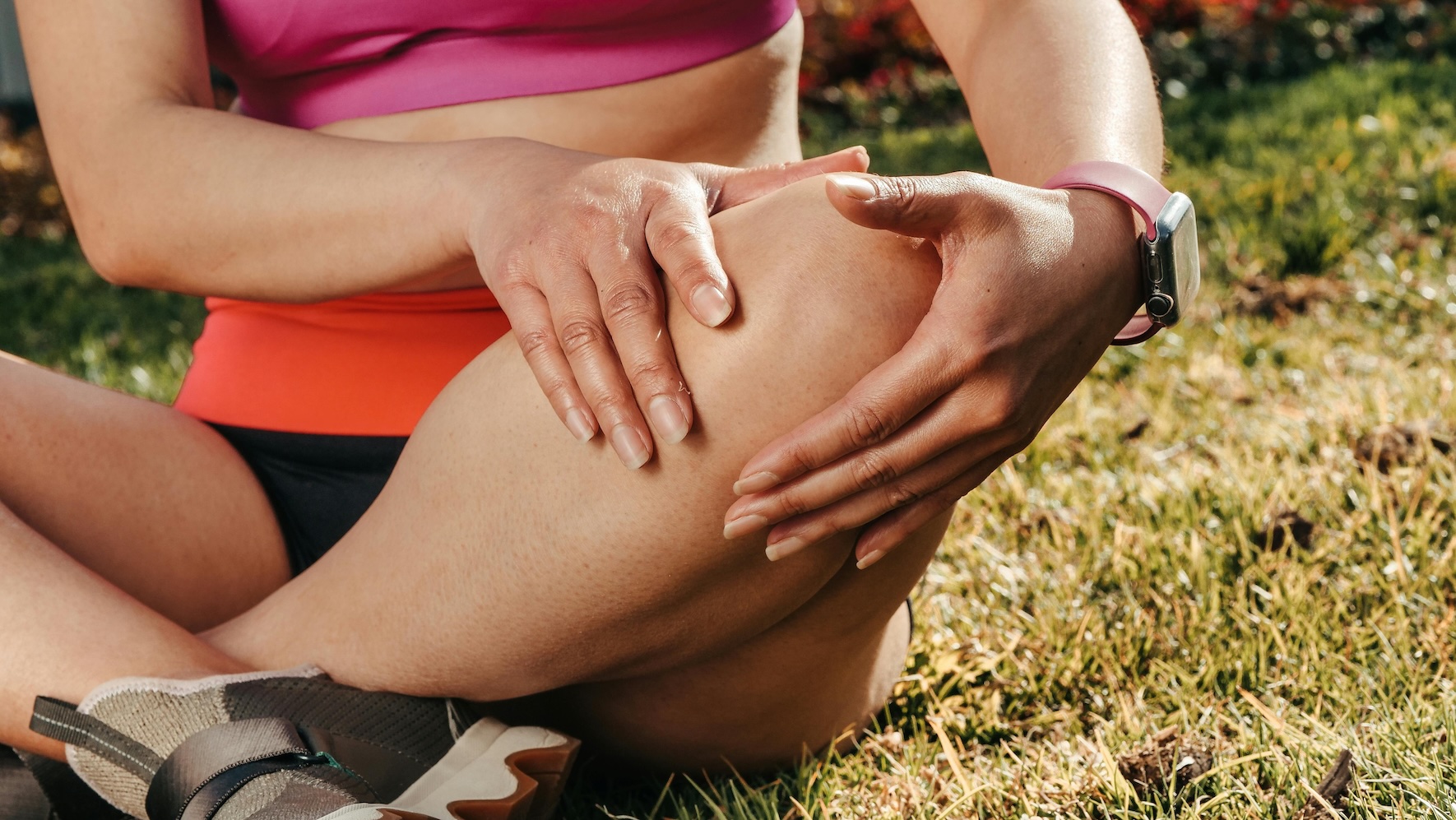
Knee pain can develop for many reasons, including arthritis or muscle tightness from overuse., Knee pain can also follow an injury which resulted in a meniscal or ligamentous tear that never fully resolved. Many people prefer to try at-home solutions before seeking medical treatment, and stretching is often the best starting point.
Evidence supports that approach, within reason. A 2022 systematic review found that stretching exercises can be useful in pain management for individuals with knee osteoarthritis. While combined programs may improve function without always achieving a clinically meaningful reduction in pain.
In other words, while daily stretching for knee pain that you can do at home can reduce discomfort and stiffness, it is important to note that stretches will not be effective for everyone. Stretching should be viewed as a supportive tool as well as a method to prevent further injury. When symptoms stem from advanced arthritis, structural damage, or mechanical instability within the knee, a consultation with our orthopedic clinic in Montreal can help you re-evaluate your approach and gain insight into the root cause of your knee pain.
Is stretching good for knee pain?
In many cases, yes. Stretching helps reduce tension in the muscles that cross the knee joint and improves circulation. Tight muscles increase joint stress. When flexibility improves, everyday movements such as walking, sitting, and climbing stairs often become more comfortable. In order to see improvement in your symptoms, it is best to stretch 3-4 times a week, preferably when the muscles are warm such as after a light workout.
Stretches for Knee Pain Relief
These stretches focus on muscle groups that commonly contribute to knee pain when they are tight. Each stretch should be controlled, gentle and static. If done properly discomfort should remain mild. As opposed to pre-workout stretches which are dynamic and involve raising body temperature and warming up the joints, stretching for alleviating pain involves static deep stretches which increase blood flow, reduce stiffness, and relax muscles.
Hamstring stretch
Lie flat on the floor. Keep one leg bent with the foot planted on the floor, with the other leg straight. Gently pull the straight leg upward until you feel tension along the back of your thigh. If you feel pain, you are stretching too far. Hold this position and breathe steadily before switching sides. This stretch reduces strain behind the knee and supports smoother knee extension.
Standing quadriceps stretch
Stand upright with feet shoulder width apart and hold onto a wall or chair for balance. Bend one knee and bring one foot toward your body, keeping your knees close together and your upper body tall. You should feel the painless stretch along the front of the thigh muscles rather than inside the knee.
Hip flexor stretch
Start in a half-kneeling position with one knee on the floor and the other foot forward, creating a lunge stance. The front foot stays flat, and the upper body remains upright. Gently shift your weight forward until you feel a stretch at the front of the hip on the kneeling side. Do not arch your lower back. Hold the position for a few breaths before switching sides.
Standing calf stretch
Step forward with the unaffected leg and keep the back leg straight, heel flat on the floor. Lean forward slightly until you feel a stretch through the calf muscles of the back leg. This stretch improves ankle and knee mobility, which reduces joint stress during walking.
Knee Strengthening Exercises
Gentle strengthening exercises are often prescribed alongside stretching because they reduce knee pain by improving support and control. Movements should be controlled and deliberate.
Straight leg raises
Lie on your back with one knee bent and the other leg straight. Tighten the thigh muscles and slowly raise the straight leg until it is level with the opposite knee. Pause briefly, then slowly lower. This exercise builds strength without placing excessive load through the knee joint.
Seated knee extensions
Sit upright in a chair with knees bent and feet flat. Slowly straighten one leg, hold briefly, then lower with control. This movement supports knee stability and helps improve confidence during daily activities such as standing from a chair.
Calf raises
Stand on the edge of a step or sturdy ledge with the balls of your feet supported and your heels hanging off the edge. Hold onto a railing or wall for balance. Slowly rise up onto your toes, lifting your heels as high as is comfortable then slowly lower your heels down through a controlled, pain-free range of motion.
When to Seek Orthopedic Care
If knee pain continues despite a consistent stretching routine, limits your daily activities, or worsens over time, it may be time for a more thorough evaluation. Imaging may be necessary to receive a diagnosis. In terms of treatment, we offer guided rehabilitation, injections, or, in some cases, knee surgery.
At Ortho Westmount, our goal is to help patients understand their options clearly. If you want to arrange a consultation, you can request an appointment online or call (514) 932-6455 to speak with our team.
References
Luan, L., El-Ansary, D., Adams, R., Wu, S., & Han, J. (2022). Knee osteoarthritis pain and stretching exercises: A systematic review and meta-analysis. Physiotherapy, 114, 16–29. https://doi.org/10.1016/j.physio.2021.10.001
Arthritis UK. (n.d.). Exercises for the knees. Retrieved January 28, 2026, from https://www.arthritis-uk.org/information-and-support/living-with-arthritis/health-and-wellbeing/exercising-with-arthritis/exercises-for-healthy-joints/exercises-for-the-knees/
Nandkumar, A. (2022, December 4). Stretches and exercises for knee pain, from a PT. Hospital for Special Surgery. https://www.hss.edu/health-library/move-better/stretches-exercises-knee-pain
Orthopedic Institute of New Jersey. (2025, October 30). 8 knee strengthening exercises for pain relief and stability. https://orthopedicnj.com/news/knee-strengthening-exercises

4 Westmount Square, Suite 250
Westmount, Quebec H3Z 2S6
Administrative Office
1 Westmount Square, Suite 801
Westmount, Quebec H3Z 2X3