
Join our Support Group
Your questions and concerns have most likely been asked and answered in our support group.



Aching Pain in the Hip: Common Causes & When to See a Doctor
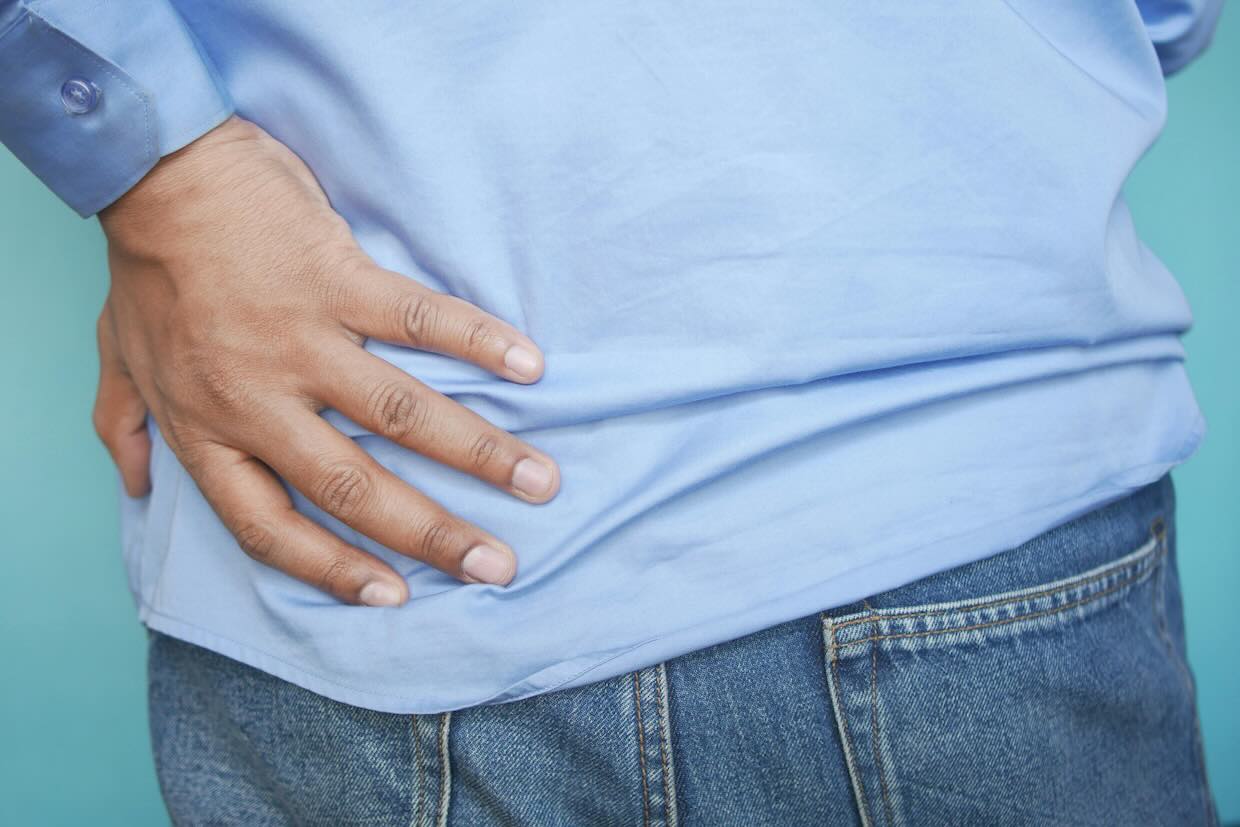
Aching pain in the hip is a common reason people seek orthopedic evaluation once discomfort begins to affect walking, sitting, or daily activity. Many patients describe a dull ache that appears during movement or after long periods on their feet. Over time, the severe pain may start earlier in the day or last longer after activity, sometimes developing into chronic hip pain that begins to limit movement.
Hip pain can develop gradually or appear after an injury. The source is not always obvious because the hip joint is surrounded by muscles, tendons, and connective tissue that share load during movement. Several conditions can produce similar symptoms, which is why clinical assessment is often needed to diagnose the cause (Koc Jr. et al., 2025).
In this overview, we explain several common causes of aching pain in the hip and when medical evaluation may be appropriate.
How the Hip Joint Can Cause Pain
The hip is a ball-and-socket joint formed by the femoral head at the top of the thigh bone and a fibrocartilaginous cup called the acetabulum in the pelvis. This structure allows the joint to support body weight while also permitting a wide range of movement in the leg.
Cartilage covers the joint surfaces and reduces friction during motion. Ligaments stabilize the joint, while surrounding muscles and tendons help control movement. Pain can develop from defaults in any of these structures including the breakdown of cartilage, irritation of the tendons, or a change in joint mechanisms.
Symptoms can appear in different locations. Some patients feel groin pain, while others experience discomfort along the outer hip or upper thigh (Cleveland Clinic, 2023).
Common Causes of Hip Pain
Hip osteoarthritis
Hip osteoarthritis occurs when the cartilage lining the joint gradually deteriorates. As the protective surface wears down, the joint can become stiff and painful during walking. In advanced stages, the cartilage loss causes joint surfaces to come into direct contact, which contributes to persistent discomfort.
This form of arthritis is more common in older adults, though it can also develop earlier depending on risk factors such as prior joint injury or structural differences in the joint.
Trochanteric bursitis
Trochanteric bursitis, sometimes referred to as hip bursitis, involves inflammation of a small fluid-filled sac on the outer side of the hip at the level of the greater trochanter, a bony structure of the femur. Pain is usually felt along the outside of the joint and may worsen when lying on the affected side or during longer periods of walking.
Muscle strain or tendon irritation
Muscle strain or tendon irritation can occur after sudden increases in physical activity or repetitive movement. These conditions may involve tendon injuries or nearby irritation of the surrounding tissues.
Pain from these conditions is often linked to overuse and movement and, as such, may improve with rest, though persistent symptoms may require medical assessment.
Labral tears and hip impingement
The labrum is a ring of cartilage that stabilizes the hip socket. Tears in this structure can cause deep joint pain or mechanical sensations such as clicking.
Hip impingement occurs when the bones of the joint contact each other abnormally during movement, sometimes due to an abnormal shape of the joint surfaces. Over time, this can irritate cartilage and the labrum (Chamberlain, 2021).
In certain cases, structural problems may lead to discussions about treatment options within our hip surgery services, including procedures such as hip arthroscopy or partial or total hip replacement .
When to See a Doctor for Severe Hip Pain Treatment
Acute episodes of discomfort following activity may be resolved with rest and simple at home treatments such as reducing activity or applying an ice pack to ease hip pain and inflammation. However, medical evaluation becomes more appropriate when pain lasts more than two weeks, interferes with walking, or disrupts sleep.
More concerning symptoms may include severe hip pain, difficulty bearing weight on the affected leg, or pain following a hip fracture or other traumatic injury.
Evaluation and Care for Hip Pain at Ortho Westmount
Aching pain in the hip can develop for many reasons, including joint degeneration from osteoarthritis, inflammation following trauma or overuse, as well as injury to surrounding soft tissues. However, when symptoms persist, worsen, or begin to interfere with walking and daily activity, a clinical evaluation can help diagnose the underlying condition affecting the joint.
At Ortho Westmount, we begin with a focused orthopedic examination that evaluates hip movement, strength, and the location of the painful area. Imaging such as X-rays or MRI may be recommended when additional detail is needed for diagnostic purposes. Many hip conditions improve with conservative care such as physiotherapy, activity modification, and appropriate medications, while certain structural problems may lead to discussion of hip surgery options. Patients experiencing ongoing hip symptoms in Montreal can start the evaluation process through our orthopedic clinic or contact us today.
References
Chamberlain, R. (2021). Hip pain in adults: Evaluation and differential diagnosis. American Family Physician. https://pubmed.ncbi.nlm.nih.gov/33448767/
Cleveland Clinic. (2023). Hip pain. https://my.clevelandclinic.org/health/symptoms/21118-hip-pain
Koc Jr., T. A., Cibulka, M. T., et al. (2025). Hip pain and mobility deficits: Hip osteoarthritis clinical practice guidelines. Journal of Orthopaedic & Sports Physical Therapy. https://www.jospt.org/doi/full/10.2519/jospt.2025.0301
