
Join our Support Group
Your questions and concerns have most likely been asked and answered in our support group.

Why Choose AI-Assisted Robotic Surgery at Ortho Westmount?
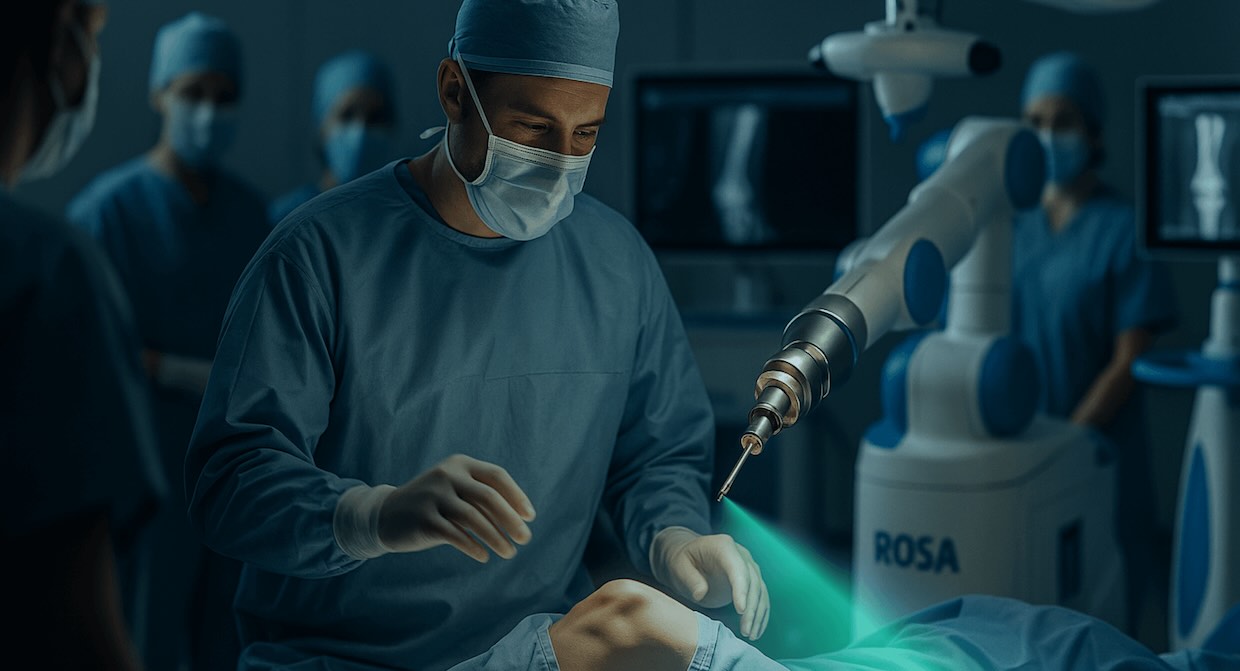
At Ortho Westmount, we offer AI-assisted robotic orthopedic surgery in the heart of Westmount in Montreal. Using advanced robotic surgical technology alongside experienced orthopedic care, we perform minimally invasive hip and knee replacement procedures designed to improve implant precision and support a smoother recovery.
Our private clinic brings together modern surgical tools and a personalized patient experience. From consultation through recovery, every step is focused on careful planning, surgical accuracy, and helping patients return to comfortable movement with confidence and as soon as possible.
ROSA Robot System Redefines Knee and Hip Replacement Surgery
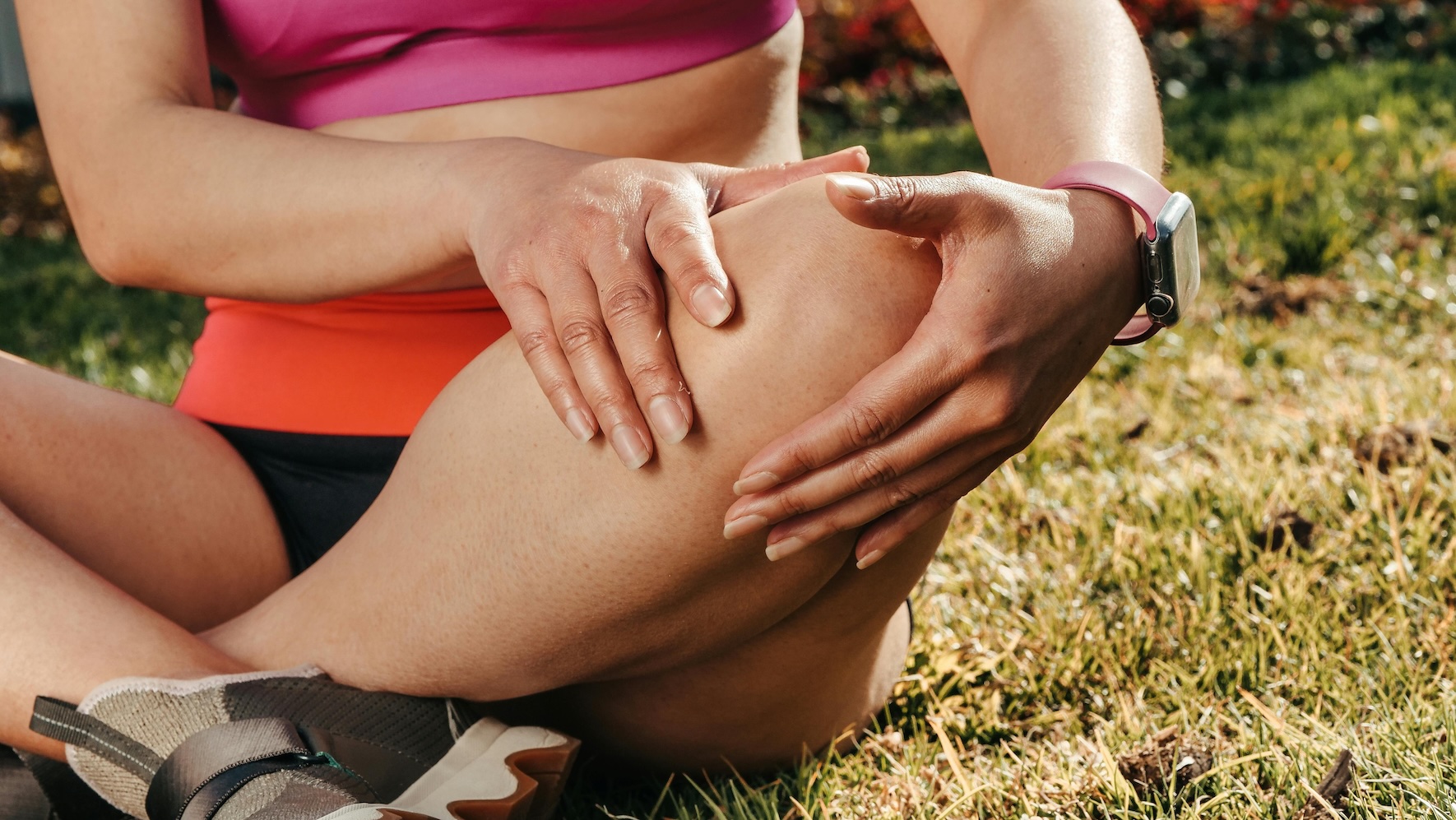
Having chronic hip or knee pain shouldn’t mean giving up the activities you enjoy. One possible solution to reduce chronic and refractory knee pain is arthroplasty. Robotic systems have been integrated into arthroplasty since the 1990s, evolving with computer technology to support surgeons through autonomous and semi-autonomous functions. These systems improve implant positioning and ligament balance, which may lead to better functional outcomes. One example is the ROSA system, a semi-autonomous robotic platform approved in 2019, which helps surgeons achieve precise alignment and placement during knee replacement surgery using preoperative planning and intraoperative guidance (Demirtas, et al. 2023). Robotic assistants, such as the ROSA designed by Zimmer Biomet, employ state-of-the-art technologies for joint replacement surgery, which includes both hip and knee surgery. Our trained surgeons use the ROSA robotic surgical assistant to personalize the approach to hip surgery and knee replacements, providing a solution that is specific to your medical needs, including:
- Exceptional Precision: Tailored to your unique anatomy
- Personalized Fit: Customized planning for natural-feeling joints.
- Faster Recovery Potential: Quicker return to daily life.
- Optimized Longevity: Longer-lasting implant performance.
- Rediscover Activity: Get back to the movements you love, pain-free.

From Consultation to Recovery: How Robot Assisted Surgery Works
Consultation & Assessment
The process begins with a consultation and comprehensive health evaluation. Using 3D imaging and analysis, we assess your joint in detail and develop a personalized surgical plan based on your anatomy and mobility goals.
Pre-Surgical Preparation
Before surgery, medical assessments help optimize your health for the procedure. The operation is mapped using robotic surgical simulation, and patients receive a clear briefing on the procedure and recovery plan.
Surgery Day
Surgery takes place in a state-of-the-art operating theatre using the ROSA robotic system for precise implant placement. Real-time monitoring supports surgical accuracy
Many patients return home the same day if medically cleared.
Post-Operative Recovery & Rehabilitation
Recovery begins with monitoring and early mobility guidance. Our coordinated physiotherapy program at Ortho Westmount supports healing, strength, and a gradual return to normal activities.

Surgical Planning
Robotic-assisted procedures involve detailed 3D CT-based planning, allowing surgeons to map the joint and implant placement with high precision. Conventional surgery typically relies on 2D X-rays and manual templating, which provides less anatomical detail.
Incision Size
Robot-assisted knee replacement often allows for smaller incisions, typically around 4–6 inches, with less disruption to surrounding tissue. Conventional procedures commonly involve larger incisions of 10–12 inches, depending on the surgical approach.
Hospital Stay
Patients undergoing robotic-assisted knee replacement often experience shorter hospital stays, averaging about 1.5 to 2.5 days. Traditional knee replacement procedures typically require 3 to 5 days of hospitalization. Some studies have reported robot-assisted procedures reducing average length of stay by more than two days.
Recovery Time
Patients may reach early mobility milestones within 1–2 weeks following robotic-assisted surgery. Conventional knee replacement recovery often requires several weeks before walking comfortably without support.
Implant Accuracy
Robotic systems allow surgeons to position implants with extremely high precision, with accuracy reported in up to 99% of cases. Conventional techniques typically achieve about 70–80% accuracy in optimal implant alignment.
Revision Rates
Improved implant positioning may contribute to lower revision rates, with some studies suggesting 40–50% fewer revisions compared with conventional knee replacement. Traditional procedures report revision rates of approximately 2–3% within five years for total knee arthroplasty.
Meet Your Surgical Team at Ortho Westmount
At Ortho Westmount, our orthopedic surgeons care for a wide range of joint injuries and conditions, with particular experience in hip, knee, and shoulder surgery. We take the time to understand each patient’s situation and build a treatment plan that reflects their needs, goals, and lifestyle.
From your first consultation through recovery, our focus stays on clear guidance, careful surgical work, and steady follow-up as you regain movement and strength.
Schedule your consultation with Ortho Westmount today.
Frequently Asked Questions About AI Assisted Robotic Surgery
How is robotic surgery different from traditional surgery?
Think of it like this: traditional surgery relies on the orthopedic surgeon's incredible skill, like a master craftsman. Robotic-assisted surgery adds a high-tech helper to that master craftsman. It uses a special surgical technology system, like ROSA, to create a 3D map of your unique joint before surgery. Then, during the procedure, the robotic arm guides our surgeon with amazing accuracy, helping them place your new joint components with precision. This means a more personalized fit for you, which can lead to an artificial joint that feels more natural and potentially lasts longer.
Am I a candidate for robotic joint replacement?
Many people seeking a more personalized approach to joint replacement—whether it's a full or partial knee replacement—are excellent candidates for robotic-assisted surgery. If you're experiencing persistent pain that's limiting your mobility, and you're generally in good health, the use of robotic technology like the ROSA Knee System could be a great fit. The best way to know for sure is to come in for a consultation with one of our expert surgeons. They'll listen to your concerns, look at your joint, and help you understand all the possibilities to get you moving freely again.
How long is the recovery period?
Recovery is a personal journey, but many patients are pleasantly surprised by how quickly they regain mobility after robotic-assisted surgery. With the precision provided by robotic-assisted surgery , we aim for better surgical outcomes and fewer complications, which often means faster recovery times. Most patients are up and walking within a day or two after surgery. While full recovery typically takes a few months, you can expect steady, noticeable progress. We'll support you every step of the way with a tailored physical therapy plan, helping you regain strength, confidence, and get back to your full life sooner.
References:
Demirtas, Y., Emet, A., Ayik, G., Cakmak, G., Aksahin, E., & Celebi, L. (2023). A novel robot-assisted knee arthroplasty system (ROSA) and 1-year outcome: A single center experience. Medicine, 102(42), e35710. https://doi.org/10.1097/MD.0000000000035710

4 Westmount Square, Suite 250
Westmount, Quebec H3Z 2S6
Administrative Office
1 Westmount Square, Suite 801
Westmount, Quebec H3Z 2X3