
Join our Support Group
Your questions and concerns have most likely been asked and answered in our support group.


How Long Does It Take to Recover from Hip Replacement? Timeline, Recovery & Tips for Faster Recovery
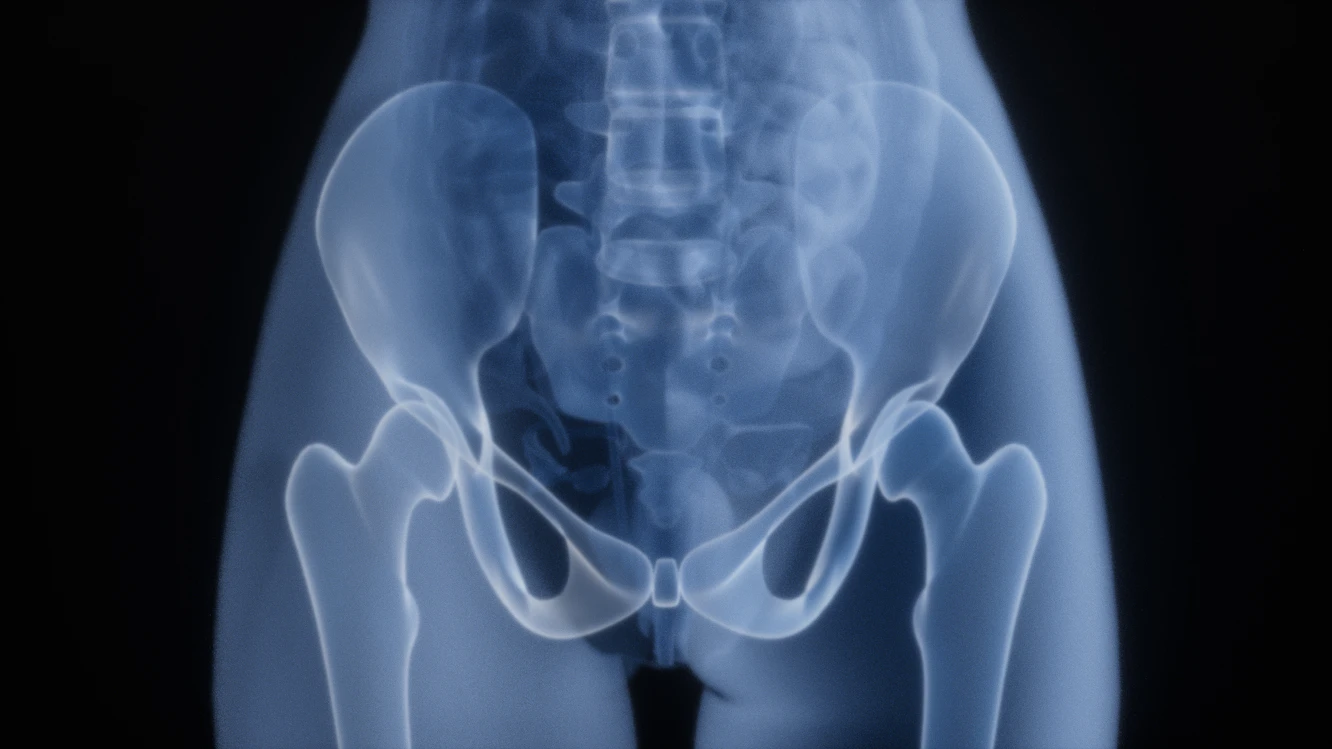
The recovery process after total hip replacement usually extends over several months. Light daily activities may gradually resume within 3–6 weeks. Some patients may return to work within 4–6 weeks, while physically demanding jobs may require more time. Many patients achieve substantial healing and functional recovery within approximately three months, although improvement can continue for a year or longer. Further improvement in strength and activity may continue during the following year.
Total hip arthroplasty is major surgery and a form of joint replacement used to replace damaged surfaces of the hip joint. Recovery after private hip replacement surgery or another form of hip surgery can vary depending on health, mobility, diagnosis, and the surgical techniques used. An assessment explains what to expect.
Contemporary total hip replacements have an estimated 30-year implant survivorship of 92.1%. This figure concerns the longevity of the implant. Adapting to a new hip joint and beginning to regain mobility follows a shorter, individual timeline.
Recovery is assessed primarily by improvements in pain, mobility, strength, and ability to perform daily activities. Safe transfers and independence at home come first, followed by driving, work, and exercise. The incision is one part of the healing process. The surrounding muscles and soft tissues also need time to adapt, so the pace at which muscles recover differs.
Hip Replacement Recovery Timeline
Surgery and the First Two Weeks
Monitoring begins in the recovery room, where staff assess comfort, alertness, and blood pressure. The patient may then move to a hospital room or discharge area. Some people go home the same day, while others need a hospital stay or rehabilitation.
Within a few hours, the healthcare team may help the patient start walking with a prescribed walking aid. Clear instructions are essential and should cover medication, incision care, exercises, and the follow-up schedule.
At home, use the recommended assistive devices, which may include a walker, walking stick, or raised toilet seat. Guidance may also cover transfers and climbing stairs. A physical therapist may teach mobility exercises, while occupational therapists address daily tasks. In some settings, physical and occupational therapists work together. Follow the physical therapy plan provided for your procedure.
Swelling and discomfort are common early on. Brief periods of gentle movement can help promote circulation and reduce stiffness. It is important to report increased pain levels, new weakness, or a sudden decline in function to a medical health professional if these symptoms arise after surgery..
Weeks Two to Six
Light daily activities may return within three to six weeks. Moving from a walker or crutches to a cane depends on balance and weight-bearing instructions.
Work may resume in about six weeks. A desk job places fewer demands on the operated side than prolonged standing or heavy lifting, so the return date requires individual guidance.
Driving also requires clearance. The timing of return to driving depends on which hip was operated on, the type of vehicle, reaction time, mobility, and whether opioid pain medication is still being used to manage post-operative pain.
Weeks Six to Twelve
About three months is a general estimate for healing after total hip arthroplasty. At this stage, most hip replacement patients work toward longer walks and greater independence. For hip replacement patients, approved light exercise may help strengthen the muscles supporting the new hip.
The goal is to regain strength and improve muscle strength without overloading the implant. Resistance training and other physical activity require guidance on timing and intensity. Low-impact activities such as cycling and golf may be resumed when strength, balance, and mobility have sufficiently recovered and the surgical team has given clearance.
Three Months and Beyond
At about three months, most patients have reached a substantial stage of healing. People may continue to fully recover over the first year. Many can resume normal activities, though stamina may keep improving.
The timeline for younger patients still depends on diagnosis and activity demands, so follow-up is more useful than another person’s hip replacement experience.
What Can Affect Recovery?
General health, preoperative mobility, and diagnosis can influence recovery. Research comparing hip replacement for osteonecrosis and osteoarthritis found a higher revision rate in the osteonecrosis group, while functional scores were similar.
Preoperative pain and reduced function have also been associated with chronic postoperative pain. This refers to pain lasting at least six months and is different from routine early muscle soreness.
Recovery may be prolonged by a fall, injury, infection, blood clot, or other postoperative complication. New symptoms affecting walking or increasing at rest need prompt review. New or worsening pain, particularly when accompanied by fever, increasing redness, warmth, swelling, or drainage from the incision, should be promptly assessed for possible infection.
Exercise and Muscle Recovery
Prescribed movement is an essential part of rehabilitation because it supports muscle recovery and tissue repair. Adequate sleep matters as muscles repair, and activity should remain within limits set by the treating medical professionals.
Some sore muscles may occur as activity increases. Approved cold therapy may help reduce muscle soreness, while an ice bath requires medical clearance. Advice for post workout recovery in healthy athletes serves a different context.
Early active recovery consists of approved walking and therapeutic movement. A challenging workout, general workout, or plans centred on muscle growth and ways to maximize muscle growth belong to a later stage. Questions about rest days, glycogen stores, dietary protein, or protein powder should go to a qualified healthcare provider.
Tips for Steady Progress
The most important thing is to follow the plan created for your procedure. Use the prescribed aid, complete assigned exercises, and increase walking gradually. The important thing is steady function rather than an artificial deadline.
The following tips support safer progress: prepare the home, attend follow-up visits, and report unexpected changes early. A speedy recovery cannot be promised. Keep the focus on safe movement and the ability to maintain daily function. Recovery recommendations should be individualized and reviewed with the surgical team.
When to Contact the Surgical Team
Contact the surgical team for persistent fever, increasing wound redness, warmth, and swelling; drainage, and/or worsening pain near the site of the infection may indicate an infectious process.These changes may indicate an infection. New calf pain away from the incision, swelling, warmth, tenderness, and pain may be indicative of a blood clot.
Sudden chest pain or shortness of breath requires emergency care. Seek advice if pain returns after significant improvements or limits normal activities. The team can assess the cause and explain how to reduce pain safely.
Plan Your Recovery with Ortho Westmount
For most people, the recovery journey brings meaningful gains within several weeks, followed by continued rehabilitation. At Ortho Westmount, we discuss recovery as part of the wider treatment decision.
Learn more about our hip replacement services in Montreal, or contact Ortho Westmount to request an orthopaedic assessment.
References
American Academy of Orthopaedic Surgeons. (n.d.). Activities after total hip replacement. OrthoInfo. https://www.orthoinfo.org/recovery/activities-after-hip-replacement/
Fernández-de-las-Peñas, C., et al. (2023). Prognostic factors for postoperative chronic pain after knee or hip replacement in patients with knee or hip osteoarthritis: An umbrella review. Journal of Clinical Medicine, 12(20), 6624. https://doi.org/10.3390/jcm12206624
National Institute of Arthritis and Musculoskeletal and Skin Diseases. (2023, August). Hip replacement surgery. National Institutes of Health. https://www.niams.nih.gov/health-topics/hip-replacement-surgery
Ortho Westmount. (n.d.). Hip replacement surgery in Montreal. https://www.orthowestmount.com/services/hip
Pentland, V., et al. (2026). Survivorship of modern total hip replacement to 30 years. The Lancet, 407(10531), 855–866. https://doi.org/10.1016/S0140-6736(25)02305-0
Salman, L. A., et al. (2023). The outcomes of total hip replacement in osteonecrosis versus osteoarthritis. International Orthopaedics, 47, 3043–3052. https://doi.org/10.1007/s00264-023-05761-6

4 Westmount Square, Suite 250
Westmount, Quebec H3Z 2S6
Administrative Office
1 Westmount Square, Suite 801
Westmount, Quebec H3Z 2X3